
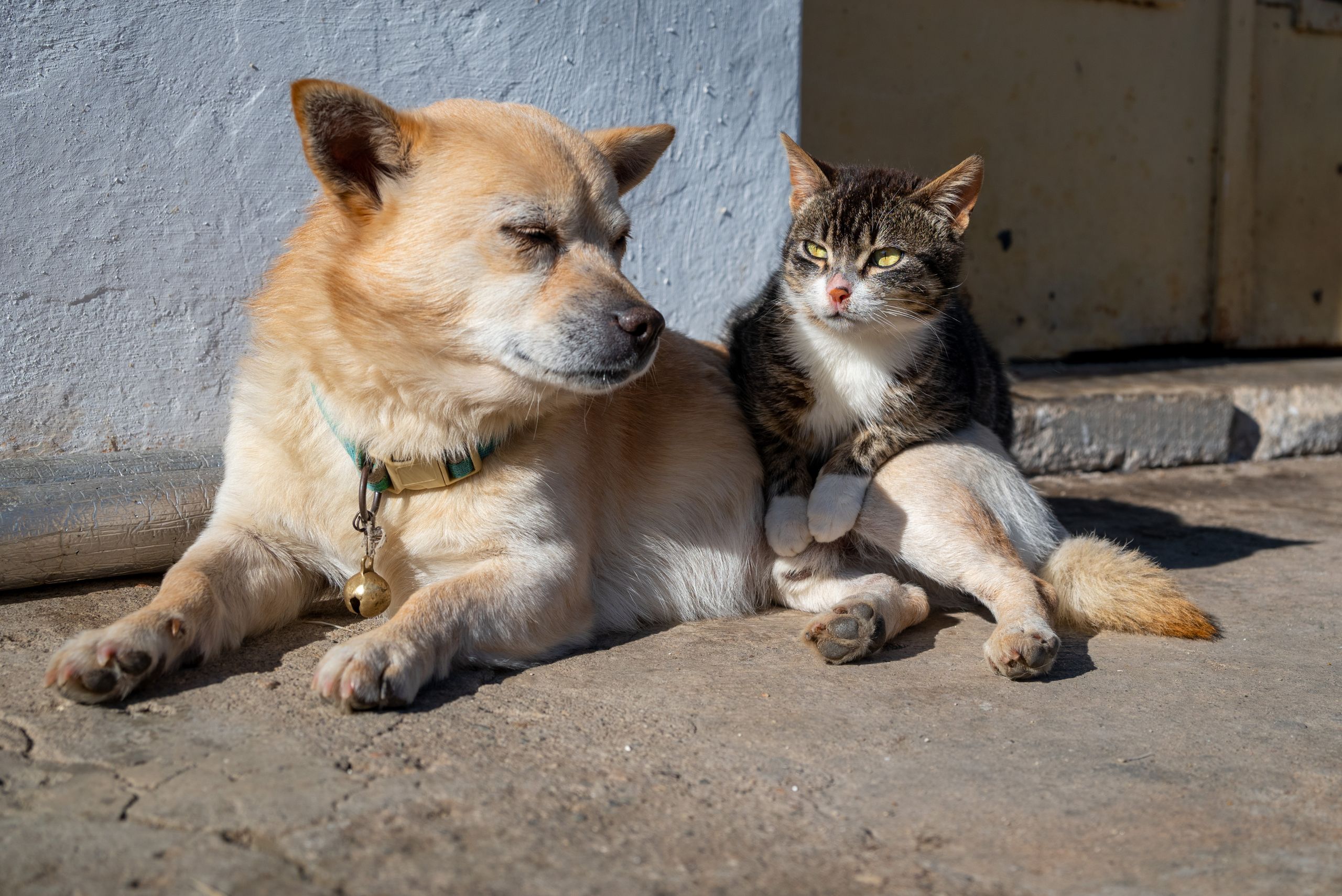
Neurological examination of dogs and cats – how does it proceed step by step?
Neurological problems in pets can be very concerning for caregivers. Gait disturbances, seizures, sudden loss of balance, or changes in behavior are signals that should not be ignored. In such situations, a neurological examination performed by a veterinarian at the clinic is crucial.
In this article, we explain how the neurological examination of a dog and cat looks step by step and why it is such an important element of diagnostics in veterinary neurology.
When is a neurological examination necessary for an animal?
A neurological examination of a dog or cat is recommended in the presence of symptoms such as:
- unsteady gait or limb weakness,
- seizures and epileptic fits,
- sudden head tilt,
- coordination disorders,
- behavioral changes,
- loss of consciousness,
- spinal pain.
If you notice any of these symptoms, a visit to a veterinary neurologist is extremely important.
It is also worth scheduling such a visit for preventive examination, screening to ensure health status and to catch deficits as soon as possible.
A neurological visit is a great opportunity for medical training and to familiarize your cat or dog with the veterinarian in a minimally invasive way, without needles and stress.
How does a neurological examination proceed in a veterinary clinic?
Interview with the pet owner
The neurological examination begins with a detailed interview. The veterinarian will ask, among other things:
- when the first symptoms appeared,
- how often they occur,
- whether there was an injury,
- whether the animal is taking medications or has chronic illnesses.
A thorough interview helps to preliminarily determine the nature of the neurological problem and is often crucial for determining further action.
Note! During the neurological visit, it is worth showing the doctor a video recorded in calm home conditions that shows the concerning symptoms.
Observation of behavior and posture
The next stage is observing the patient in the veterinary office. The doctor pays attention to:
- way of movement,
- body posture,
- reactions to stimuli,
- contact with the environment.
At this stage, symptoms suggesting specific neurological disorders can already be observed. This is one of the most important stages of the examination.
Assessment of gait and motor coordination
During the neurological examination, the following is assessed:
- the animal’s gait,
- symmetry of limb movements,
- ability to maintain balance,
- postural reactions.
This is a very important element of neurological diagnostics in dogs and cats.
Examination of cranial nerves
What reactions are checked?
The veterinarian assesses the functioning of cranial nerves by checking, among other things:
- pupil reaction to light,
- blinking reflex,
- symmetry of the muzzle,
- reaction to sounds,
- sensation in the head area.
Abnormalities may indicate brain or brainstem diseases.
Assessment of spinal reflexes
Checking spinal cord function
At this stage, the following are examined:
- knee reflex (patellar),
- limb reaction to pressure,
- muscle tone.
This allows for the assessment of spinal cord function and peripheral nerves.
Localization of neurological problems
Based on the entire neurological examination, the veterinarian determines whether the disturbances concern:
- the brain,
- the spinal cord,
- peripheral nerves,
- or the muscular system.
This is a crucial moment that allows for planning further diagnostics.
Further diagnostics and treatment
After the neurological examination, the veterinarian may recommend:
- blood tests,
- imaging studies (X-ray, computed tomography, magnetic resonance imaging),
- pharmacological treatment,
- neurological rehabilitation,
- specialist consultation.
The treatment plan is always tailored individually to the patient.
Why is a neurological examination in dogs and cats so important?
Early neurological diagnosis significantly increases the chances of effective treatment and improvement in the animal’s quality of life. A quick response from the owner and proper diagnostics at the veterinary clinic can prevent the progression of the disease and permanent damage to the nervous system.
If you notice concerning symptoms in your pet, contact a veterinarian and schedule an appointment at the clinic.