Brachycephalic Obstructive Airway Syndrome (BOAS) – Comprehensive Diagnosis and Surgery of the Respiratory Tract
What is BOAS and why should it not be underestimated?
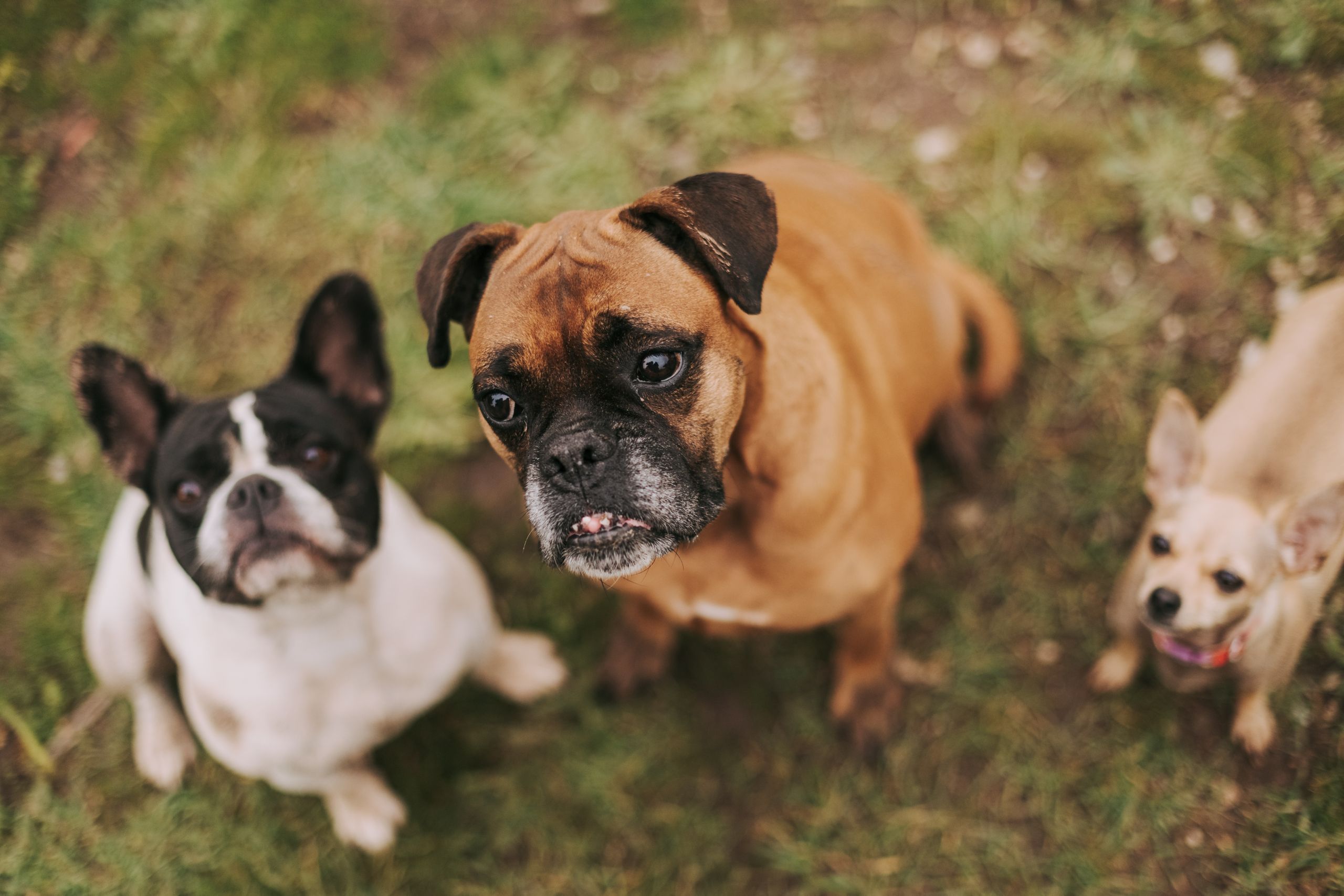
Brachycephalic breeds syndrome (Brachycephalic Obstructive Airway Syndrome – BOAS) is a complex set of anatomical defects occurring in dogs and cats with shortened skulls. Breeds particularly at risk include French and English bulldogs, pugs, shih tzus, Pekingese, boxers, and Persian cats.
The shortening of the skull bones in these animals has not been accompanied by a reduction in soft tissues. As a result, there is a drastic limitation of airflow within the small airways. Each breath of a patient with BOAS resembles breathing through a thin straw during intense running. Snoring, wheezing, or panting are not ‘breed traits’ – they are the first alarming symptoms of chronic hypoxia.
________________________________________
Clinical Symptoms: When does your pet need specialist help?
Anatomical defects worsen with age, leading to irreversible changes in the larynx and overload of the circulatory system. Consult our surgeon if you notice:
- Loud, wheezing, or gurgling breath (even at rest).
- Severe snoring at night and episodes of sleep apnea.
- Exercise intolerance (quick fatigue, lying down during walks).
- Severe shortness of breath and tongue cyanosis during excitement or in higher temperatures (risk of heat stroke!).
- Gastrointestinal problems: foamy regurgitation, frequent vomiting reflexes after eating or drinking (resulting from immense negative pressure in the chest).
________________________________________
“All-in-One” Diagnostics – A Complete Picture Before Treatment
In our clinic, we do not operate ‘in the dark’. Effective BOAS surgery requires precise diagnosis of which defects dominate in a given patient. Before the procedure, we conduct a full diagnostic procedure in one place:
1. Cardiological and laboratory qualification: Blood tests and echocardiography are the absolute foundation of safety for brachycephalic patients.
2. Digital imaging diagnostics (X-ray): Allows assessment of the degree of tracheal patency (exclusion of hypoplasia) and the condition of the chest (aspiration pneumonia).
3. Endoscopy of the respiratory tract (Rhinoscopy, Laryngoscopy, Tracheoscopy): Conducted under anesthesia immediately before the procedure. This is a key examination during which the surgeon assesses the mobility of the larynx and the actual degree of palatine hypertrophy on the monitor screen, as well as accompanying issues such as enlarged tonsils and herniated laryngeal pouches.
________________________________________
Advanced surgical procedures
Depending on the results of the endoscopic examination, our surgical team plans further procedures:
- Nasal wing plasty (Rhinoplasty): Surgical widening of the anterior nostrils, which reduces the resistance of inhaled air.
- Correction of the soft palate (Palatoplasty): Precise shortening and thinning of an excessively long palate that enters the laryngeal lumen and blocks the flow of oxygen.
- Removal of herniated laryngeal pouches: Removal of sac-like mucosal diverticula that have been drawn into the larynx due to constant negative pressure.
________________________________________
Safe anesthesiology and postoperative care
Aware of the specifics of brachycephalic breeds, we have implemented an anesthetic protocol tailored for high-risk patients:
- Individual anesthesia plan: We combine safe inhalation anesthesia with modern local and regional anesthesia, minimizing the burden on the body.
- Dedicated anesthesiologist: The option to schedule a dedicated anesthesiologist who continuously monitors vital parameters (capnography, pulse oximetry, ECG, blood pressure).
- Prolonged intubation and oxygen therapy: The endotracheal tube securing the airways remains in the patient until full awakening and return of protective reflexes.
- 24-hour postoperative hospital: After the procedure, the animal is placed in a modern, monitored box, where it may receive oxygen therapy in controlled conditions if necessary.
________________________________________
What does your dog gain after BOAS surgery? (Treatment effects)
Surgical correction dramatically changes the quality of life for the animal and its caregivers. Just a few days after the procedure, patients gain:
- Free, quiet, and light breathing without constant muscular effort.
- Increased energy, desire to play, and the ability to take longer walks.
- Safety during the summer – an efficient respiratory system allows for proper thermoregulation.
- Extended lifespan: Elimination of chronic hypoxia protects the heart from irreversible hypertrophy and failure (cor pulmonale).
________________________________________
BOAS Consultation:
Don’t wait for your friend to experience a life-threatening fainting spell or laryngeal collapse. Early surgical intervention prevents secondary disease changes.
See also:
Sources
• 🔗 [Magazyn Weterynaryjny] “Treatment of the respiratory syndrome in brachycephalic breeds in general practice”
• 🔗 [Cambridge University] The Cambridge Brachycephalic Obstructive Airway Syndrome Research Group – Official website of the British research group that created an international assessment system for the severity of BOAS in dogs – BOAS | Department of Veterinary Medicine